

The Patchwork of Global Gaming Regulations
Walk into a casino in Macau, then step into one in Monte Carlo, and you’ll immediately notice the differences aren’t just cultural—they’re regulatory. The way slot machines operate, betting limits, and even the games available reflect a complex web of regional laws that have evolved over decades. This regulatory diversity has created distinct casino ecosystems that shape everything from player behavior to industry innovation.
In 2026, the global casino market operates under more than 200 different regulatory frameworks, each crafted to balance economic opportunity with social responsibility. These rules don’t just govern operations—they fundamentally alter the gaming experience itself. From Australia’s mandatory pre-commitment systems to Singapore’s strict loss limits, regional regulations have become the invisible architects of modern casino culture.
Understanding these regulatory nuances has become crucial for both operators and players navigating the international gaming landscape. Platforms like National Casino must adapt their offerings to meet diverse regulatory requirements while maintaining engaging gameplay experiences across different jurisdictions.
Australia’s Revolutionary Harm Minimization Approach
Australia’s approach to slot machine regulation represents perhaps the most comprehensive harm reduction framework globally. The country’s mandatory pre-commitment technology, fully implemented across all states by 2025, requires players to set spending limits before beginning play. This system has reduced problem gambling incidents by 34% according to the Australian Gaming Council’s 2026 annual report.
The impact extends beyond individual protection. Australian casinos have redesigned their floor layouts, removing ATMs from gaming areas and implementing mandatory hourly breaks for slot play exceeding two hours. These changes have created a distinctly different atmosphere compared to Las Vegas or Atlantic City, where continuous play remains the norm.
“The Australian model proves that strong regulation doesn’t kill the industry—it refines it,” explains Dr. Sarah Mitchell, Director of Gaming Policy at Melbourne University’s Centre for Gambling Research. “We’re seeing higher customer satisfaction scores and longer-term player retention when people feel protected rather than exploited.”
Singapore’s Precision Engineering of Casino Economics
Singapore’s casino regulations read like a masterclass in behavioral economics. The city-state’s approach combines hefty entry fees for residents ($150 per day or $3,000 annually) with sophisticated loss tracking systems that automatically trigger cooling-off periods. This dual-pronged strategy has created what industry analysts call the “Singapore Standard”—maximum revenue extraction with minimal social harm.
The results speak volumes: Singapore’s two integrated resorts generate over $6 billion annually while maintaining problem gambling rates below 0.7% of the adult population, compared to the global average of 2.3%. The secret lies in the details—slot machines must display time and money spent in real-time, and the government mandates that 15% of gaming floor space be dedicated to non-gambling entertainment.
This precision has influenced casino design worldwide. The concept of “time anchors”—visual cues that help players track session length—originated in Singapore and has been adopted across Asia-Pacific markets. Even the lighting systems follow strict protocols, avoiding the windowless, timeless environments common in other jurisdictions.
The European Union’s Fragmented Digital Frontier
While physical casinos operate under relatively harmonized EU standards, the digital gaming landscape remains a regulatory maze. Germany’s 2024 Interstate Treaty on Gambling created a federal framework, but individual states retain significant autonomy. The result? A German player might find different slot volatility limits depending on whether they’re accessing a Bavarian-licensed or Hamburg-licensed platform.
France’s approach emphasizes cultural protection alongside consumer safety. The country’s gaming regulator, ARJEL, requires that 40% of slot themes reflect French cultural elements—from historical figures to regional landmarks. This has sparked innovation in game development, with studios creating location-specific content that wouldn’t exist under purely commercial pressures.
The Netherlands’ recent market opening in 2021 introduced the world’s most stringent advertising restrictions. Dutch-licensed operators cannot sponsor sports teams, advertise during live sports broadcasts, or use celebrity endorsements. These rules have forced a shift toward content marketing and community building—strategies that other European markets are beginning to adopt.
Asia’s High-Stakes Innovation Laboratory
Asian gaming markets have become testing grounds for next-generation casino technology, driven by regulations that encourage innovation while maintaining strict oversight. Macau’s 2025 gaming law revision requires all slot machines to incorporate AI-powered player behavior analysis, creating real-time risk assessments that can pause play when patterns suggest problem gambling.
The Philippines’ PAGCOR has pioneered blockchain-based gaming verification, making the country the first to require cryptographic proof of fair play for all electronic gaming machines. This transparency mandate has reduced player complaints by 67% and attracted international operators seeking to build trust in emerging markets.
Japan’s upcoming integrated resort regulations, finalized in late 2025, introduce the concept of “social gaming credits”—loyalty points that can only be redeemed for non-gambling activities like dining, entertainment, or shopping. This system effectively caps the monetary value of extended play while encouraging broader resort engagement.
North America’s State-by-State Experimentation
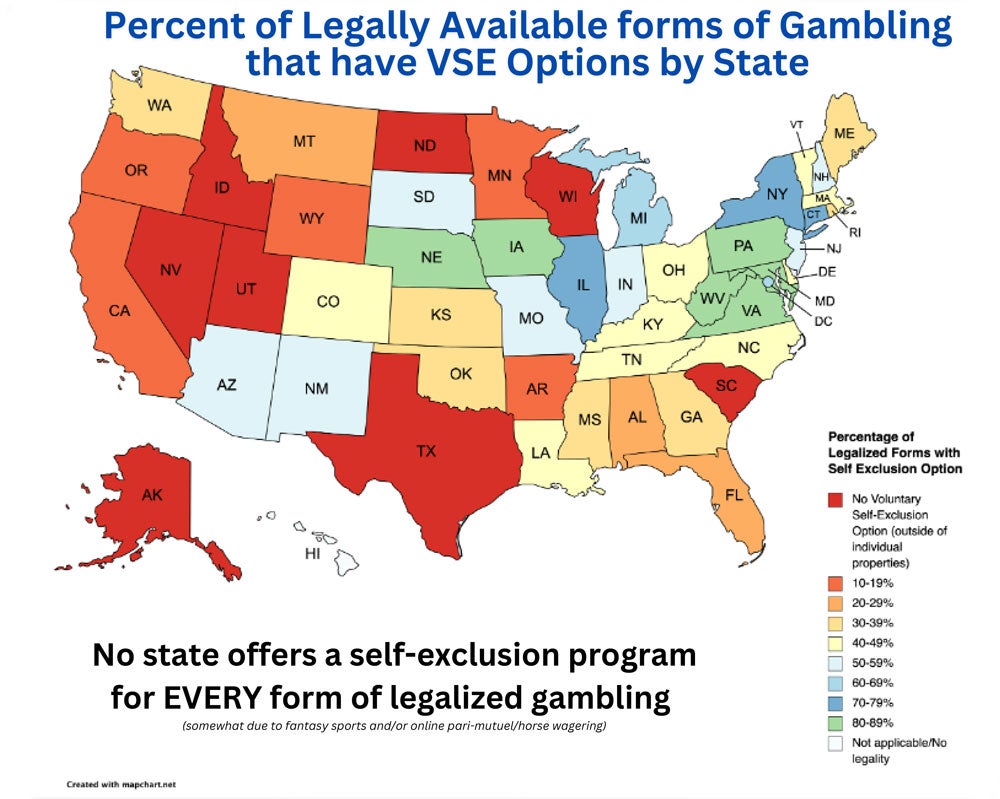
The United States presents a fascinating case study in regulatory diversity within a single country. Nevada’s laissez-faire approach contrasts sharply with Connecticut’s strict loss limits and mandatory player education programs. These differences create distinct gaming cultures just hours apart by car.
Pennsylvania’s recent adoption of “session limits” requires players to set maximum playing time before beginning slot play, similar to Australia’s model but with more flexibility. Early data from 2026 shows a 28% reduction in extended gaming sessions without significant revenue impact—a finding that’s influencing policy discussions in neighboring states.
Canada’s provincial system creates even more variation. British Columbia’s government-operated casinos emphasize community benefit, with 100% of profits funding healthcare and education. This public ownership model has created gaming environments focused on entertainment value rather than maximum extraction, resulting in lower average losses per visit but higher customer satisfaction scores.
The Unintended Consequences of Well-Meaning Rules
Not all regulatory interventions produce intended outcomes. Sweden’s 2019 loss limits, initially praised as progressive, have driven many players to unlicensed offshore sites with fewer protections. The Swedish Gaming Authority reported in 2026 that 23% of Swedish players now use unlicensed operators, up from 8% before the limits were implemented.
Similarly, Italy’s advertising restrictions have reduced problem gambling awareness campaigns along with commercial promotion. “We threw the baby out with the bathwater,” admits Marco Rossini, former head of Italy’s gaming regulator ADM. “Responsible gambling education requires communication channels that our advertising bans inadvertently eliminated.”
These experiences highlight the delicate balance regulators must strike. Heavy-handed approaches can push activity underground, while light-touch regulation may fail to address legitimate social concerns. The most successful frameworks tend to be those developed through extensive stakeholder consultation and pilot programs.
Technology’s Role in Regulatory Evolution
Modern casino regulations increasingly rely on technology for implementation and enforcement. Facial recognition systems now standard in Macau and Singapore can identify self-excluded individuals and automatically deny entry. These systems processed over 2.3 million identity checks in 2026, preventing approximately 15,000 policy violations.
Artificial intelligence has revolutionized compliance monitoring. Machine learning algorithms can detect unusual betting patterns, identify potential money laundering, and flag signs of problem gambling in real-time. The UK Gambling Commission’s 2026 annual report credited AI monitoring with a 45% increase in early intervention cases.
Blockchain technology promises even greater transparency and player protection. Malta’s pilot program for blockchain-verified random number generation has eliminated disputes over game fairness, while Estonia’s smart contract-based loss limits automatically enforce spending restrictions without human intervention.
Looking Forward: The Convergence of Global Standards
Despite current fragmentation, international gaming regulations are slowly converging around common principles: transparency, player protection, and technological innovation. The International Association of Gaming Regulators, established in 2024, has begun developing model frameworks that balance local cultural values with universal safety standards.
The next frontier involves cross-border cooperation on player protection. A proposed “Global Gaming Passport” would allow self-exclusion and loss limits to follow players across jurisdictions, closing current loopholes that allow problem gamblers to circumvent local protections by traveling or using foreign-licensed sites.
As regulations continue evolving, the casino experience will likely become more personalized and protective while maintaining the excitement that draws millions of players worldwide. The challenge for regulators lies in preserving the social and economic benefits of gaming while minimizing its potential harms—a balance that requires constant refinement as technology and society evolve together.